What is calibration in quality control?
Calibration in quality control is the process of verifying and adjusting measurement equipment to ensure it provides accurate, reliable readings that meet specified standards. For production environments, this means testing CNC machines, inspection equipment, and measurement tools against NIST-traceable standards to confirm they can deliver the precision required for consistent part quality. Proper calibration identifies errors before they cause production problems and provides documented proof that equipment performs as promised.
What does quality calibration mean?
Quality calibration means performing precision measurements that verify equipment accuracy to known standards, ensuring consistent and reliable performance over time. It involves systematic testing using traceable reference standards, documenting results, and identifying any deviations that could affect product quality. Quality calibration goes beyond simple adjustment—it provides comprehensive data about machine condition, wear patterns, and performance trends that support preventive maintenance and production planning.
How often should production equipment be calibrated?
Calibration frequency depends on equipment usage, precision requirements, and manufacturer recommendations. High-precision CNC machines typically benefit from annual calibration, while heavily used equipment may require semi-annual or quarterly verification. New machines should be calibrated immediately after installation to verify specifications before warranty expires. Additionally, calibration is recommended after any machine relocation, major repair, or when part quality issues arise.
What accuracy can I expect from professional calibration services?
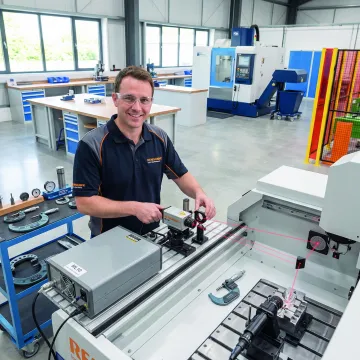
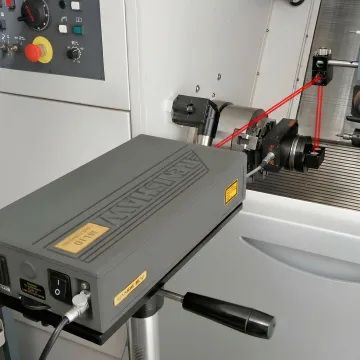
Professional calibration services using laser interferometry can achieve accuracy to 1.0 parts per million, or one millionth of an inch per inch. This level of precision exceeds the 10:1 ratio required for proper calibration and is fully traceable to NIST and International Standards. Such accuracy allows detection of even minor positioning errors, straightness deviations, or squareness issues that could affect part quality in precision manufacturing applications.
Will calibration service disrupt my production schedule?
Modern calibration techniques like wireless ballbar testing are designed for minimal disruption, with many assessments completed in under an hour per machine. Linear calibration using laser interferometry requires longer setup but is scheduled around production needs to minimize downtime. Local service providers can offer faster response times and flexible scheduling compared to out-of-area providers, making it easier to coordinate calibration during planned maintenance windows or shift changes.
How do I know if my CNC machine needs calibration?
Signs that calibration is needed include increasing part rejections, difficulty holding tolerances that were previously achievable, inconsistent results between machines, or visible wear on machine components. Calibration is also recommended for new machine installation verification, after any collision or crash, following major repairs, or as part of preventive maintenance. Regular calibration provides trending data that predicts when adjustments will be needed before quality issues occur.
What's included in a comprehensive calibration service?
Comprehensive calibration includes testing of linear axis positioning accuracy, repeatability, straightness, and squareness using laser interferometry. It may also include ballbar testing for circularity and servo performance, electronic leveling for pitch and roll errors, rotary axis verification, and surface plate flatness checks. Results are documented with full traceability to NIST standards, including before-and-after measurements, identified issues, and recommendations for corrective action or future monitoring.
Can calibration services help verify warranty claims on new equipment?
Yes, professional calibration is essential for verifying new machine accuracy while still under warranty. Shipping and installation often introduce alignment errors or hidden damage that may not be immediately apparent. Independent, NIST-traceable calibration testing provides documented proof of actual machine performance versus manufacturer specifications, clearly identifying any issues that need warranty correction before the warranty period expires and you begin critical production.